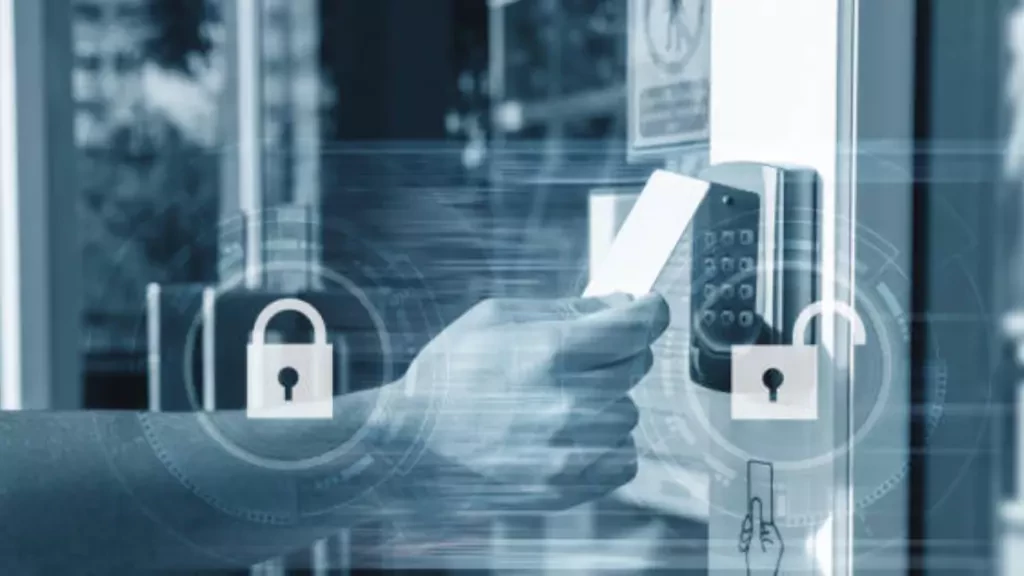
Physical security for businesses refers to measures that are put in place to protect the physical assets of a business, such as buildings, equipment, and inventory, from theft, vandalism, or other physical threats.
Some examples of physical security measures that businesses may use include:
- Access control systems: These systems control who can enter a building or specific areas within a building. Examples of access control systems include keycard readers, biometric scanners, and PIN code locks.
- Surveillance cameras: These cameras can be used to monitor and record activity in and around a building. They can help deter criminal activity, provide evidence in the event of a crime, and help monitor employee activity.
- Alarm systems: These systems can be used to alert authorities and/or business owners in the event of a break-in or other security breach.
Businesses may be concerned with physical security for several reasons, including:
- Protecting assets: Physical security measures can help protect a business's physical assets from theft or damage, including valuable equipment, inventory, and intellectual property.
- Ensuring employee safety: Businesses have a responsibility to provide a safe working environment for their employees. Physical security measures can help ensure employee safety by deterring criminal activity and quickly responding to security breaches.
- Compliance: Some industries may be subject to regulatory requirements for physical security measures. Businesses may need to implement specific measures to comply with these requirements.
- Reputation: A security breach can damage a business's reputation and lead to a loss of customer trust. Physical security measures can help demonstrate a commitment to customer safety and security.
Overall, physical security measures can be an important aspect of a business's overall security strategy, helping to protect physical assets, ensure employee safety, comply with regulatory requirements, and maintain a positive reputation.